Aircraft · Edition II · September MMXXVI · 5 min
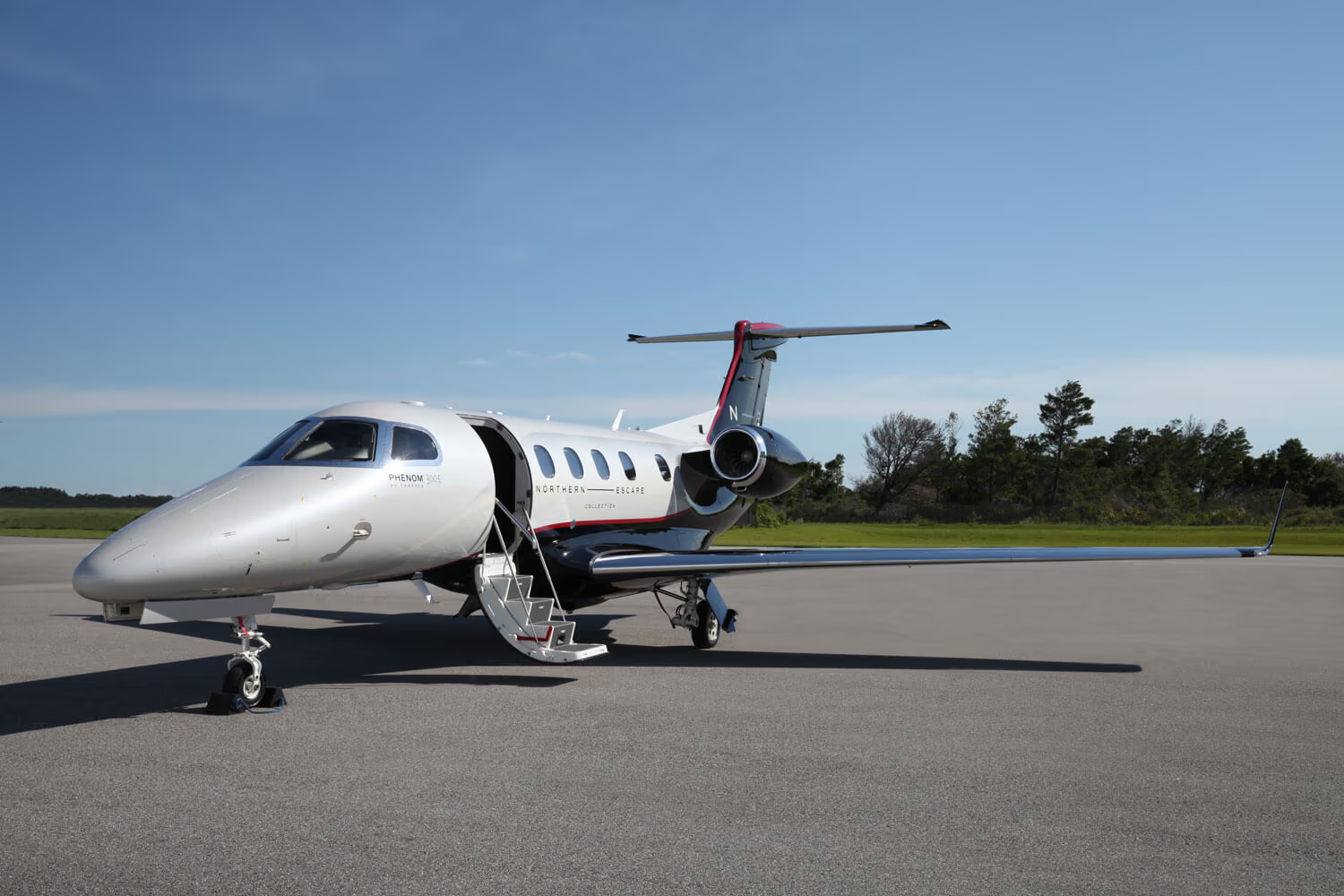
xxii. Ramp · the number on the brochure, and the one that flies
A light jet's published range doesn't automatically translate into the distance available for a specific charter mission. The number usually depends on specific conditions: weight, fuel load, speed, wind, temperature, altitude, configuration, and reserves. NBAA explicitly notes that range and payload capability involve a trade-off.
The payload-range curve
An aircraft can reach its maximum distance with a reduced load, or carry more passengers and baggage over a shorter distance. Add weight without changing the fuel load and range can drop; add fuel and that added weight eats into the available capacity too.
The FAA describes the relationship as a balance between payload and fuel load: the combination of maximum payload, maximum fuel, and operating weight can exceed MTOW, forcing a reduction in payload, reserves, or fuel to stay within the allowed weight.
What changes the mission
- Route wind and temperature.
- Passengers, baggage, and actual cargo.
- Fuel required for the alternate and final reserve.
- Weight restrictions at takeoff or landing.
- Airport elevation and temperature.
- ATC routing, reroutes, and permit requirements.
- Runway condition and performance.
That's why a serious answer doesn't just offer "range: X nm." It asks for origin, destination, date, passengers, baggage, and flexibility. NBAA includes that data among the preliminary information needed to match aircraft to mission.
How to ask for confirmation
Ask the broker to separate:
- Advertised range — the manufacturer's reference figure.
- Planning range — the result under stated operating assumptions.
- Dispatch confirmation — the operator's calculation for the actual date, load, route, alternates, and applicable reserves.
Nobody should claim a light jet covers a route nonstop until the operator confirms it for the actual mission. If that calculation isn't available yet, the honest wording is "range is subject to final performance and fuel planning."
Related reading
Aircraft
Light, midsize, or super-midsize — matched to mission.
The jet category is a starting point, not a mission spec. Cabin, payload, range, airports, reserves, and operational flexibility decide the real answer.
Aircraft
How payload quietly changes your range.
Passengers, baggage, and fuel compete for the same weight limit. Here's how payload actually decides range and nonstop viability.
Aircraft
What NBAA IFR range actually means.
NBAA IFR range builds in reserves and planning assumptions, but it doesn't guarantee any single mission. Here's what separates the published figure from the real flight.
§For correspondence on this note — or any mission it raises — write directly to the principal.