Operations · Edition II · September MMXXVI · 6 min
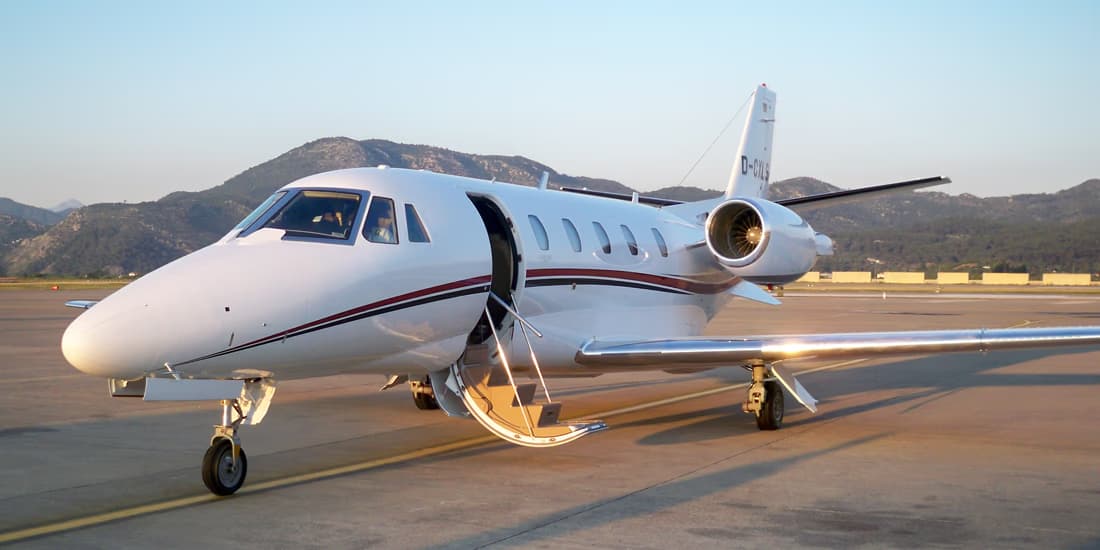
xxviii. Ramp · a movement the aircraft already had to make
An empty leg is a repositioning segment the operator has to fly without passengers, or with capacity it never sold, that gets offered to a client. The important distinction is operational: the leg exists first because the aircraft needs to move. The passenger booking is trying to take advantage of that movement, not the other way around.
There's no reliable basis for claiming an empty leg is always 50% cheaper. The discount depends on the route, the time available, the aircraft, the positioning, the operator, demand, and the odds of selling the leg at all. Estimates vary, and operators differ on this. A fixed percentage on a marketing page should be read as an illustration, not a market condition.
What the client is actually buying
The client is normally buying the whole aircraft, not a seat. They have to accept a departure window, a route, and a date dictated by the operator's movement. The flight can change or disappear if the original charter that created the repositioning gets modified.
An empty leg can make sense when:
- The departure time has real flexibility.
- The destination matches the available leg.
- The passenger can accept a change of tail number or aircraft.
- There's a backup plan if the leg gets canceled.
- The savings are worth the lower predictability.
It doesn't make sense for a mission where departure time, arrival time, or airport is critical. An executive assistant coordinating a board meeting, a commercial connection, or a principal's schedule shouldn't treat an empty leg as equivalent to on-demand charter until firm operational confirmation comes through.
Why "50% off" is misleading
The percentage can be measured against a different reference rate, exclude additional repositioning, leave out handling, catering, taxes, crew costs, an overnight, or ground transport, or apply to only one leg. NBAA recommends comparing quotes on an equivalent basis and reviewing charges like one-way fees, fuel surcharges, wait time, crew transportation, overnight, landing, handling, customs, security, and the Federal Excise Tax.
The correct comparison is between the total cost of the empty leg and the total cost of an on-demand solution that meets the same mission. If the client has to pay for an additional positioning leg just to reach the available airport, the headline discount can disappear.
Questions before approving
- Is the leg confirmed, or does it depend on another charter?
- Which operator and tail number will fly it?
- What's the departure window, and what changes are allowed?
- What happens if the operator cancels the repositioning?
- Does the price include positioning, taxes, fees, and aircraft substitutions?
- Does the route and baggage capacity actually fit the mission?
The honest wording is simple: empty legs can reduce cost when the client's schedule matches the operator's existing movement. It shouldn't be presented as a universal percentage or as guaranteed availability.
Related reading
Operations
Empty legs, and when they serve.
What is an empty leg? It's a repositioning flight an aircraft must fly with no passengers — to collect a charter or return to base. Priced as a one-way deal, it can be excellent value, but only when its fixed timing and route happen to match the brief.
Operations
How charter pricing actually breaks down.
A charter quote is more than an hourly rate. Fuel, crew, positioning, airport charges, and margin each move independently — here's how to read them apart.
Operations
Why two quotes for the 'same' flight differ by thousands.
Matching airports and passenger counts doesn't make two quotes comparable. Tail number, positioning, crew, and availability decide the real total.
§For correspondence on this note — or any mission it raises — write directly to the principal.